Every idea has a spark—that small moment when you realize something needs to change. For Accessible Towns, that spark came from frustration, compassion, and a deep belief that communities are stronger when everyone is included.
It started with a simple question: Why is it so hard to find out if a restaurant or shop is actually accessible?
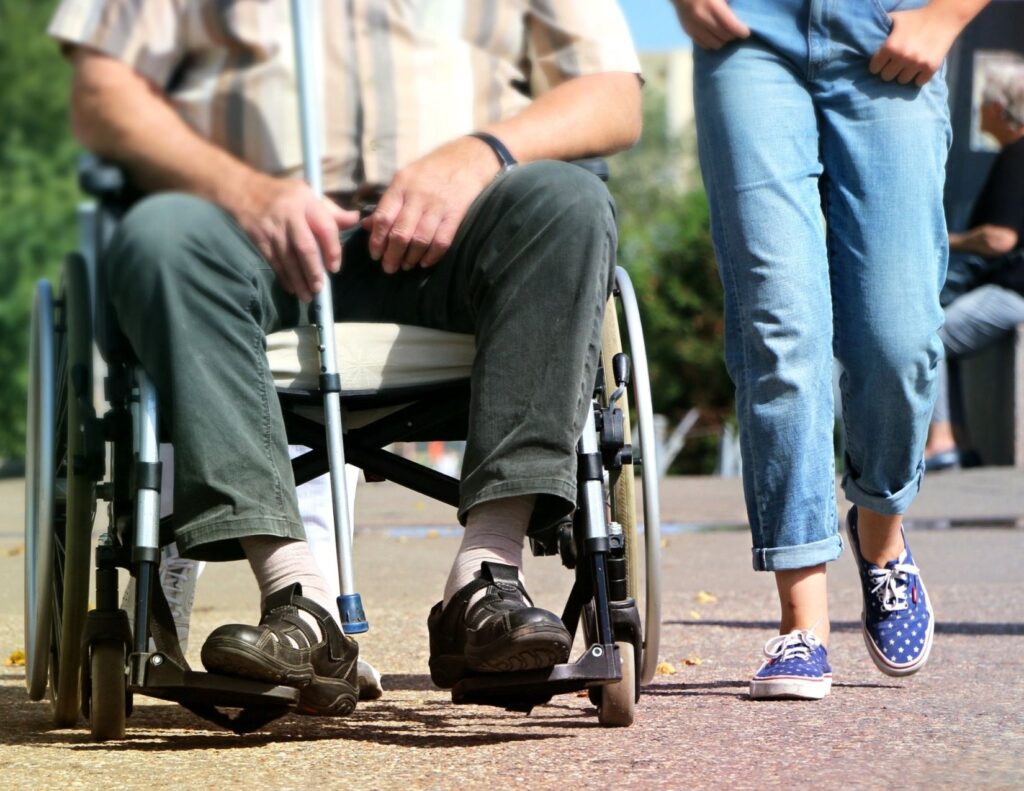
For people with mobility challenges—whether using a wheelchair, walker, cane, or even just recovering from surgery—stepping out into the community can feel like a gamble. Will there be a ramp? Will the bathroom be usable? Will the space even allow them to get through the door? Too often, the answer comes only after someone has arrived and discovered, painfully, that they can’t stay.
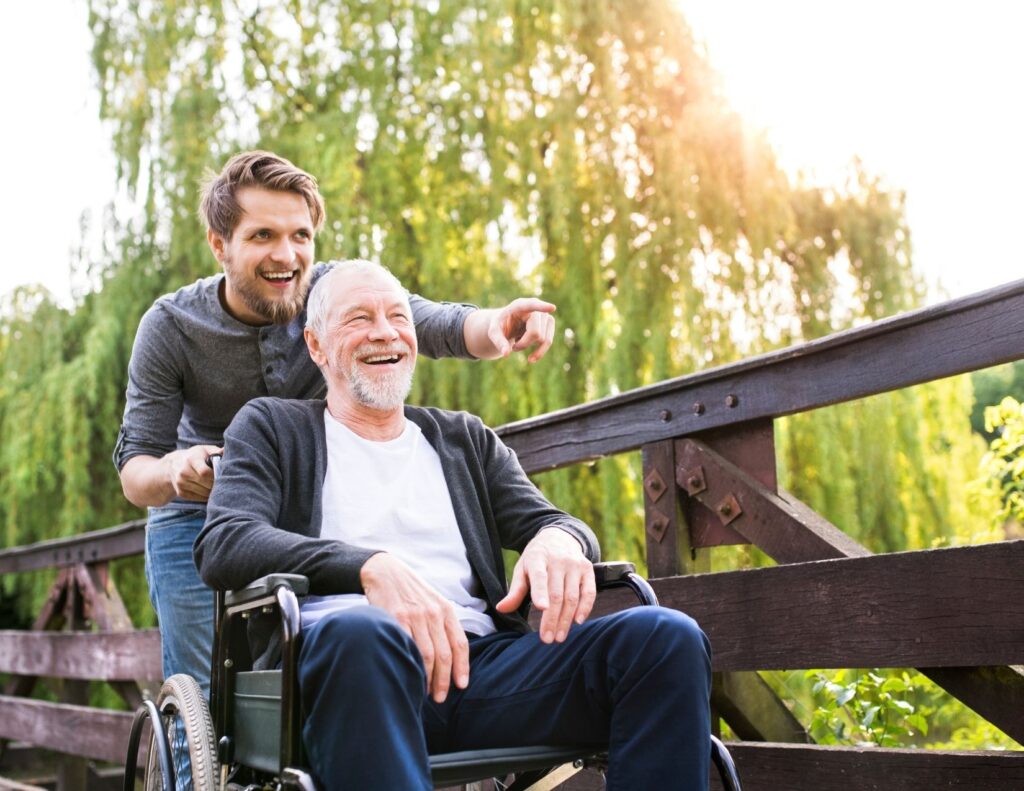
As someone working in healthcare and home safety, I saw this problem firsthand. I listened to stories of older adults who stopped dining out entirely. I heard from families who had to split up celebrations because one beloved member couldn’t get into the chosen restaurant. And I watched as businesses, often unknowingly, lost entire groups of customers simply because accessibility wasn’t communicated—or wasn’t there at all.
The more I listened, the clearer it became: we needed a way to bridge the gap between people and places. That’s when Accessible Towns began to take shape.
At first, it was just a vision: a directory where people could see, in real time, which restaurants, coffee shops, and attractions were physically accessible. Not a vague “ADA compliant” label, but clear, practical information—wide entrances, accessible restrooms, seating layouts—that actually told someone whether they could enjoy the experience.
But Accessible Towns was never just about a website. It was about changing the way we think of accessibility in our communities. We wanted to show that this isn’t only about compliance—it’s about dignity, inclusion, and opportunity. And it’s not only for individuals with disabilities—it’s for their families, their friends, their coworkers. When one person can’t get in, often five or six others don’t come in either.
The journey to make it real wasn’t simple. It meant gathering data, building partnerships, and talking to business owners about the opportunities they might be missing. It meant listening—really listening—to the stories of people with mobility challenges and understanding what matters most. And it meant believing that if Asheville could do this, other towns could too.
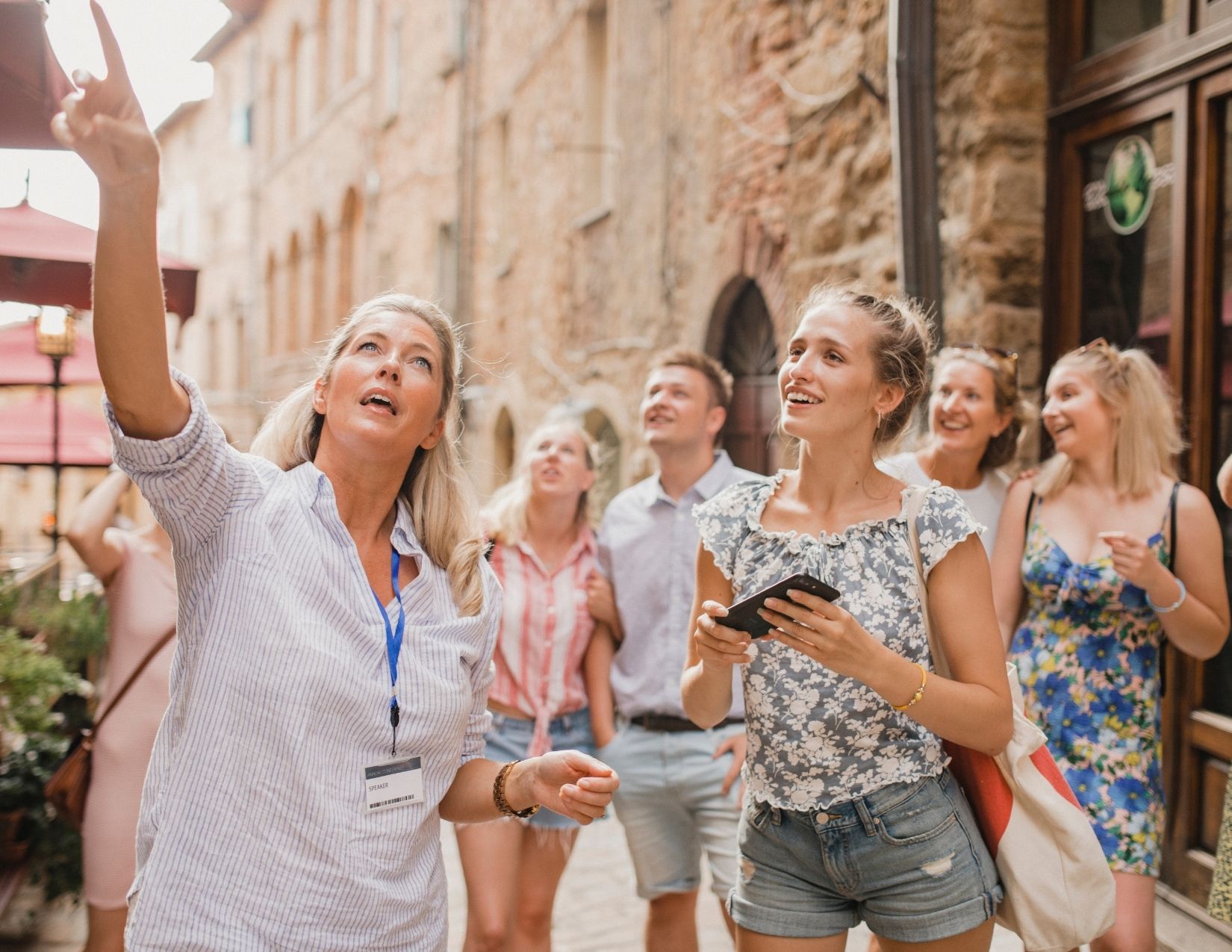
The result is what you see today: Accessible Towns, a growing directory and community movement that helps people with mobility challenges explore cities with confidence, while also helping businesses connect with new customers.
When I think back to that spark—the frustration, the questions, the countless stories—I realize it was never just about building a platform. It was about building a bridge. A bridge between people who want to get out into the world and the businesses eager to welcome them. A bridge that turns exclusion into inclusion, and obstacles into opportunities.
Accessible Towns began as a small idea, but today, it’s a shared mission. And like every community-driven project, it grows stronger with each person who joins in—whether you’re searching for a welcoming space, sharing your story, or running a business ready to open its doors to all.
Because in the end, accessibility isn’t just about getting through the door. It’s about belonging once you’re inside.