As tourism ramps up and hospitality spaces get busier, accessibility becomes even more important. Whether you’re welcoming visitors from across the country or neighbors gathering for family celebrations, ensuring that your business is easy to navigate for everyone is key to creating a positive guest experience.
The busy season often brings larger groups, multigenerational families, and out-of-town visitors who may not be familiar with your space. That means small barriers can quickly turn into big frustrations—and they don’t just affect one individual. A single inaccessible restroom or crowded seating area can determine whether an entire group chooses to stay or to leave.
Accessibility isn’t just about compliance. It’s about being prepared to serve every guest who walks through the door. Here’s a checklist to help your business get ready before the rush.
1. Entrances and Parking
The first impression sets the tone for every visit. Make sure that entrances are step-free or have a stable, usable ramp. Check that doors are easy to open, either automatically or with handles that don’t require twisting. For businesses with parking areas, verify that accessible spaces are clearly marked, close to the entrance, and unobstructed.
2. Pathways and Seating
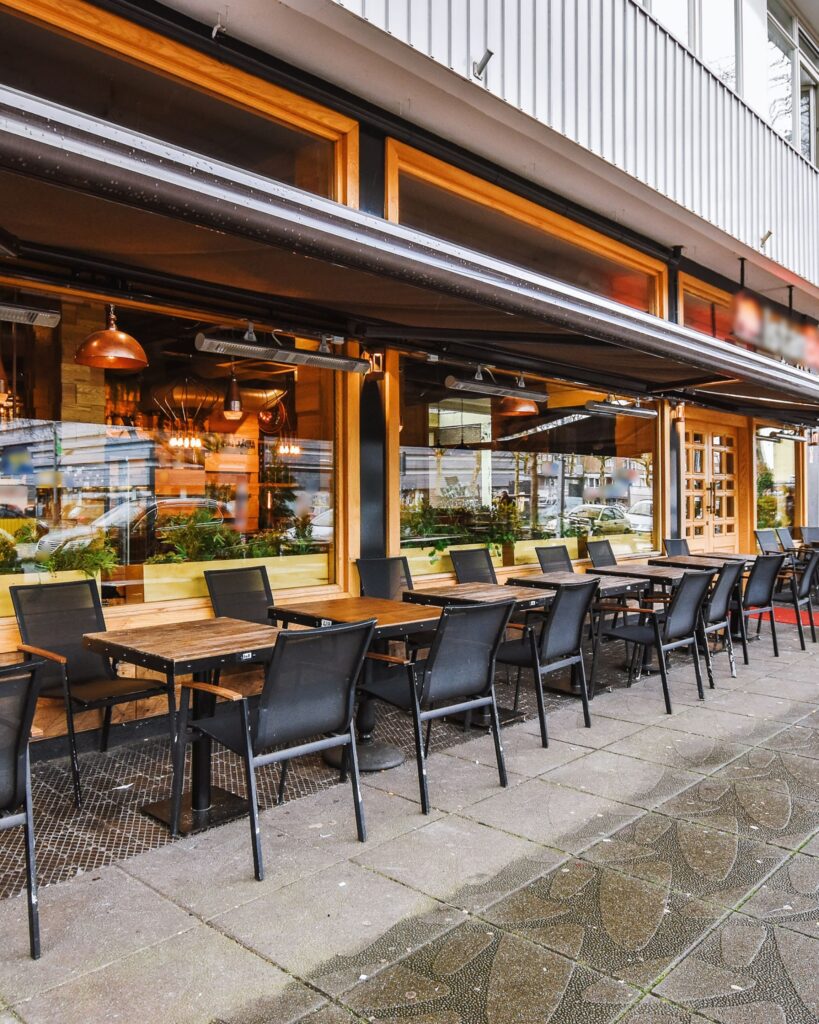
Inside, wide and uncluttered pathways are essential. Seasonal décor, extra displays, or tightly packed tables may look inviting, but they can make it difficult for guests using wheelchairs, walkers, or strollers to move through your space. Ensure that there is at least one clear path from the entrance to seating areas, restrooms, and service counters.
Consider your seating layout. Do tables allow enough knee clearance for a wheelchair? Can chairs be easily moved to make space without disrupting other guests? Small adjustments can make a big difference in comfort and dignity.

3. Restrooms
Restrooms are one of the most common pain points for guests with mobility challenges. Before the busy season, check that your restrooms are not only compliant but also practical. Doors should be wide enough for easy entry, grab bars should be secure, and sinks should be at an accessible height. Adequate turning space is just as important—if a guest can’t comfortably maneuver, the restroom isn’t truly accessible.
4. Lighting and Signage
Crowded seasons often mean dimmer spaces feel even more challenging. Good lighting helps all guests, particularly those with low vision. Make sure hallways, entrances, and restrooms are well-lit. Signage should use clear fonts, high contrast, and be placed at a readable height.
5. Staff Preparedness
Accessibility isn’t just physical—it’s cultural. Staff training can make or break a guest’s experience. A team that knows how to offer help respectfully, communicate directly, and anticipate small needs will ensure that all guests feel welcome. Before the season begins, consider a refresher on disability awareness and customer service best practices.
6. Online Information
Many visitors make their dining and shopping decisions before they ever step inside. Make sure your website, social media, and business listings include details about your accessibility features—step-free entrances, restroom access, and seating options. This information builds trust and helps guests plan with confidence.
Why It Matters
When accessibility is overlooked, entire groups may take their business elsewhere. But when it’s prioritized, the opposite happens—guests stay longer, spend more, and return often. Accessible spaces not only serve individuals with disabilities but also parents with strollers, older adults, and travelers navigating unfamiliar places.
This busy season, taking time to review and strengthen your accessibility measures will pay off in more than just compliance. It will show your guests that your business is ready to welcome everyone—and that’s an investment that always delivers.